Preventative Maintenance in Flint for vehicles that need regular service to avoid costly repairs.
Keep Your Vehicle Running Without Unexpected Breakdowns
Hoover & Son's Automotive Flint performs preventative maintenance to keep vehicles operating reliably by addressing wear and replacing fluids, filters, and parts before they fail. This service is for drivers in Flint who want to avoid roadside breakdowns, extend the life of their vehicles, and maintain fuel efficiency and performance. You follow a maintenance schedule based on mileage and time, and the shop handles oil changes, fluid flushes, filter replacements, and inspections that catch small problems before they turn into expensive repairs.Preventative maintenance includes oil and filter changes, brake fluid replacement, coolant flushes, transmission fluid service, air filter replacement, and tire rotations. Technicians also inspect belts, hoses, battery terminals, and suspension components during each service. The work is based on manufacturer recommendations and adjusted for local driving conditions such as cold winters, stop-and-go traffic, and salted roads that accelerate corrosion. After each service, your vehicle runs cleaner, shifts smoothly, and is less likely to overheat or lose power unexpectedly.If your vehicle is due for maintenance or you are not sure what needs to be done, contact Hoover & Son's Automotive Flint to schedule preventative service.
How Regular Maintenance Prevents Breakdowns and Damage
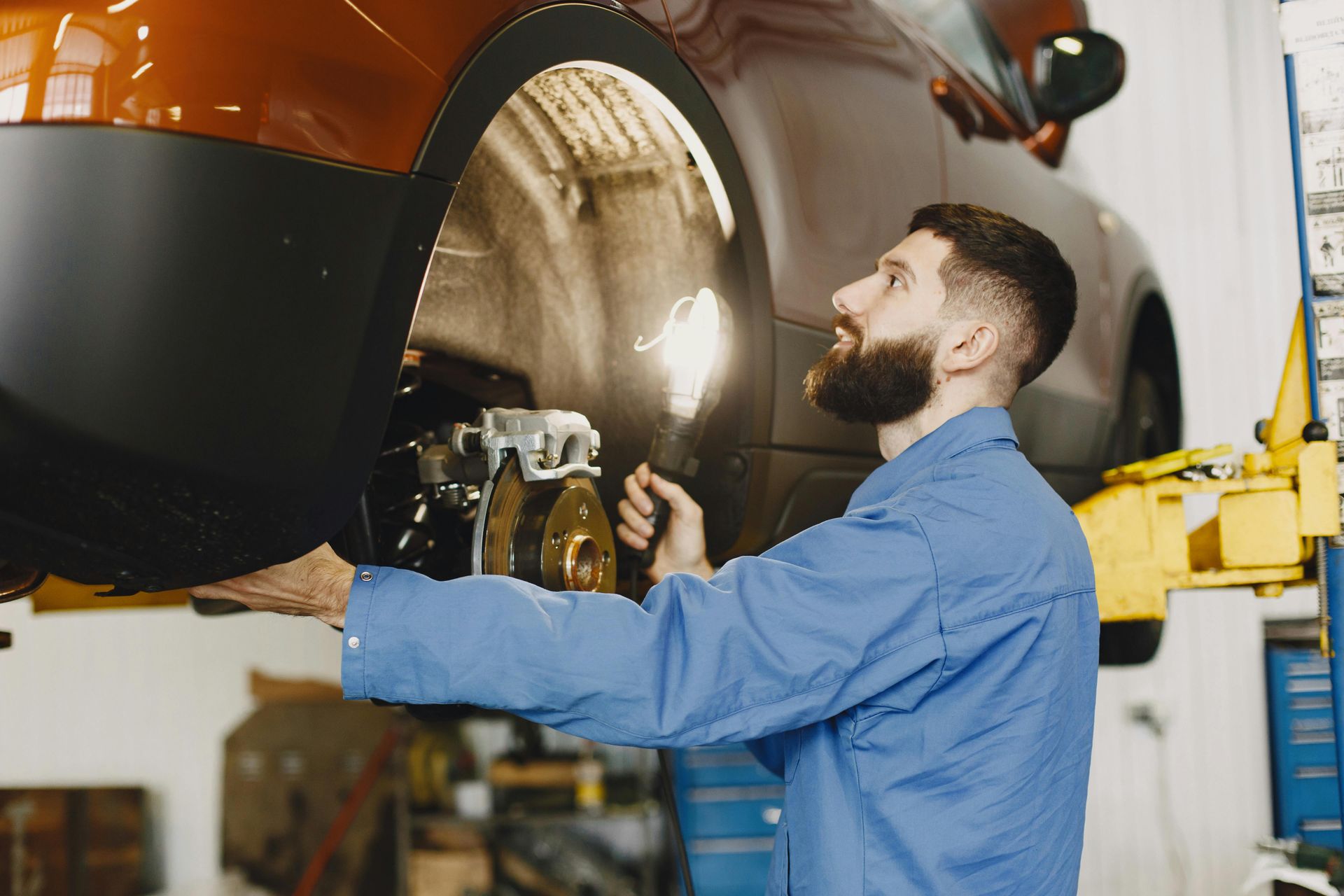
When you bring your vehicle to Hoover & Son's Automotive Flint for preventative maintenance, the technician follows a checklist that covers fluids, filters, belts, hoses, and wear items. Oil is drained and replaced with fresh oil that meets your engine's specifications. The oil filter is replaced to remove contaminants. Brake fluid is tested for moisture content and replaced if it has absorbed too much water. Coolant is flushed and refilled to prevent overheating and corrosion inside the engine. Transmission fluid is checked and replaced if it is dark or smells burnt.After the service is complete, your engine runs quieter, your transmission shifts without jerking, and your brakes respond smoothly without spongy pedal feel. You avoid the sudden failure of a timing belt, the inconvenience of a dead battery, or the cost of replacing a seized engine caused by old oil. Regular maintenance also improves fuel economy because clean filters and fresh fluids reduce friction and allow the engine to operate efficiently.Preventative maintenance does not fix existing damage. If the technician finds a problem during the service, such as a worn belt or a leaking hose, they will recommend the repair. Maintenance intervals vary by vehicle, but most manufacturers suggest service every five thousand to seven thousand miles or every six months.
Common Questions About Preventative Maintenance
These questions address what preventative maintenance includes and when it should be performed.
What is included in a typical preventative maintenance service?
Typical preventative maintenance includes an oil and filter change, fluid level checks, tire rotation, air filter inspection, and a visual inspection of belts, hoses, brakes, and suspension components. Additional services are recommended based on mileage and condition.
How often should I have preventative maintenance done?
Most vehicles need preventative maintenance every five thousand to seven thousand miles or every six months, whichever comes first. Check your owner's manual for the manufacturer's recommended schedule, which may vary based on driving conditions.
Why is brake fluid replacement part of preventative maintenance?
Brake fluid absorbs moisture over time, which lowers its boiling point and can cause brake fade or corrosion inside the brake lines. Replacing brake fluid every two to three years keeps your brakes responsive and prevents internal damage.
What happens if I skip preventative maintenance?
Skipping maintenance leads to sludge buildup in the engine, worn brake pads that damage rotors, contaminated fluids that cause corrosion, and belts or hoses that fail without warning. Flint winters make fluid changes especially important because cold temperatures thicken old oil and stress cooling systems.
Can preventative maintenance improve fuel economy?
Yes. Clean air filters, fresh oil, and properly inflated tires reduce engine load and rolling resistance, which improves fuel efficiency. Neglected maintenance forces the engine to work harder, which burns more fuel.
If your vehicle is due for maintenance or you want to stay ahead of repairs, call Hoover & Son's Automotive Flint to schedule preventative service and keep your car running reliably.